

How to Build a B2B Content Strategy That Ranks on Google and Gets Cited by AI

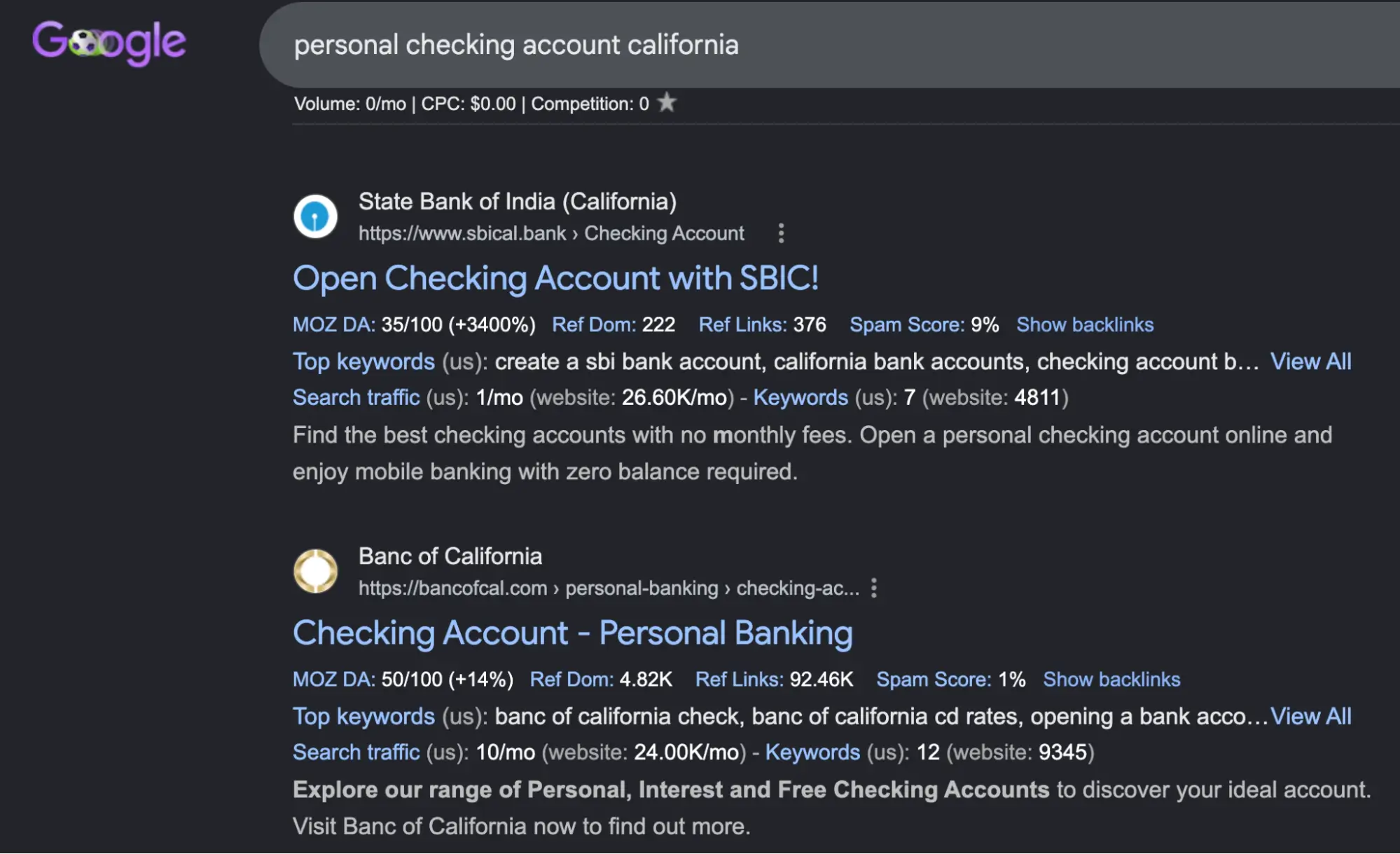
Most B2B content fails for one boring reason: it’s written to fill a calendar, not to earn a ranking or a citation. In this guide I’ll walk through the exact framework I use to build content that Google ranks and that AI engines like ChatGPT and Perplexity quote back to buyers.
We’ll cover research, structure, and the small on-page details that decide whether your page gets discovered — or buried on page three.
Start with intent, not keywords
Keywords tell you what people type. Intent tells you why. Before writing a single line, group your target queries by the job the reader is trying to get done — learning, comparing, or buying.
Note: A page that mixes three intents ranks for none. One primary intent per URL keeps your relevance signal sharp.
Build the outline around questions
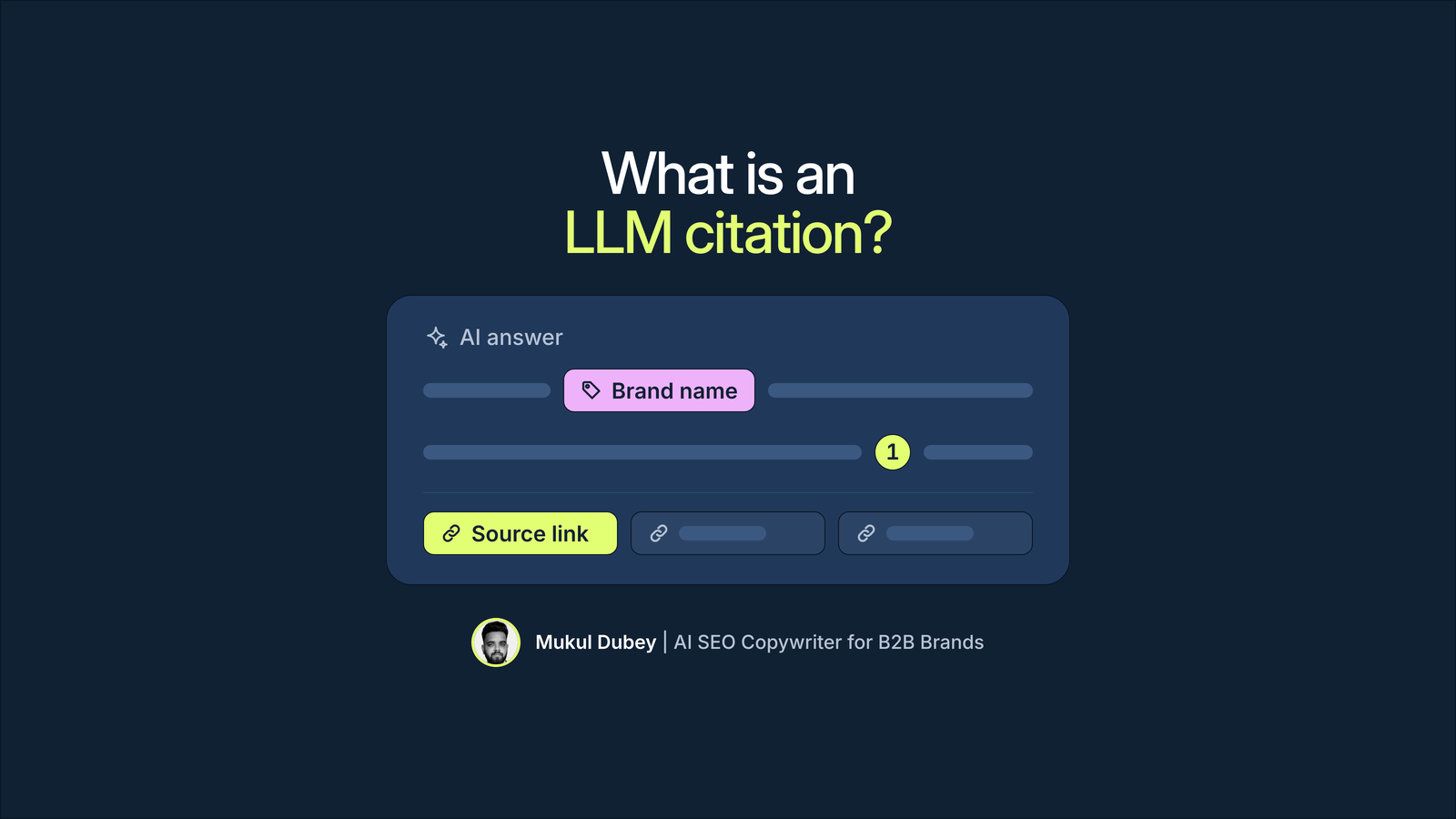
AI engines pull answers, not paragraphs. Structure each section as a clear question with a direct, self-contained answer in the first two sentences — then expand. This is what makes a page “citable”.
- Lead every section with the answer, then the reasoning.
- Use descriptive H2/H3s that match how people actually ask.
- Keep one idea per paragraph so it can be quoted cleanly.
The four content types that convert
Not every article has the same job. Map each piece to a stage so your content library covers the whole funnel:
| Content type | What it does | Best for |
|---|---|---|
| Pillar guide | Ranks for a broad topic and links to supporting posts | Top-of-funnel discovery |
| Comparison post | Helps buyers evaluate options and vendors | Mid-funnel consideration |
| Use-case page | Shows the product solving a specific problem | Bottom-funnel intent |
| Refresh | Reclaims lost rankings on existing pages | Quick, compounding wins |
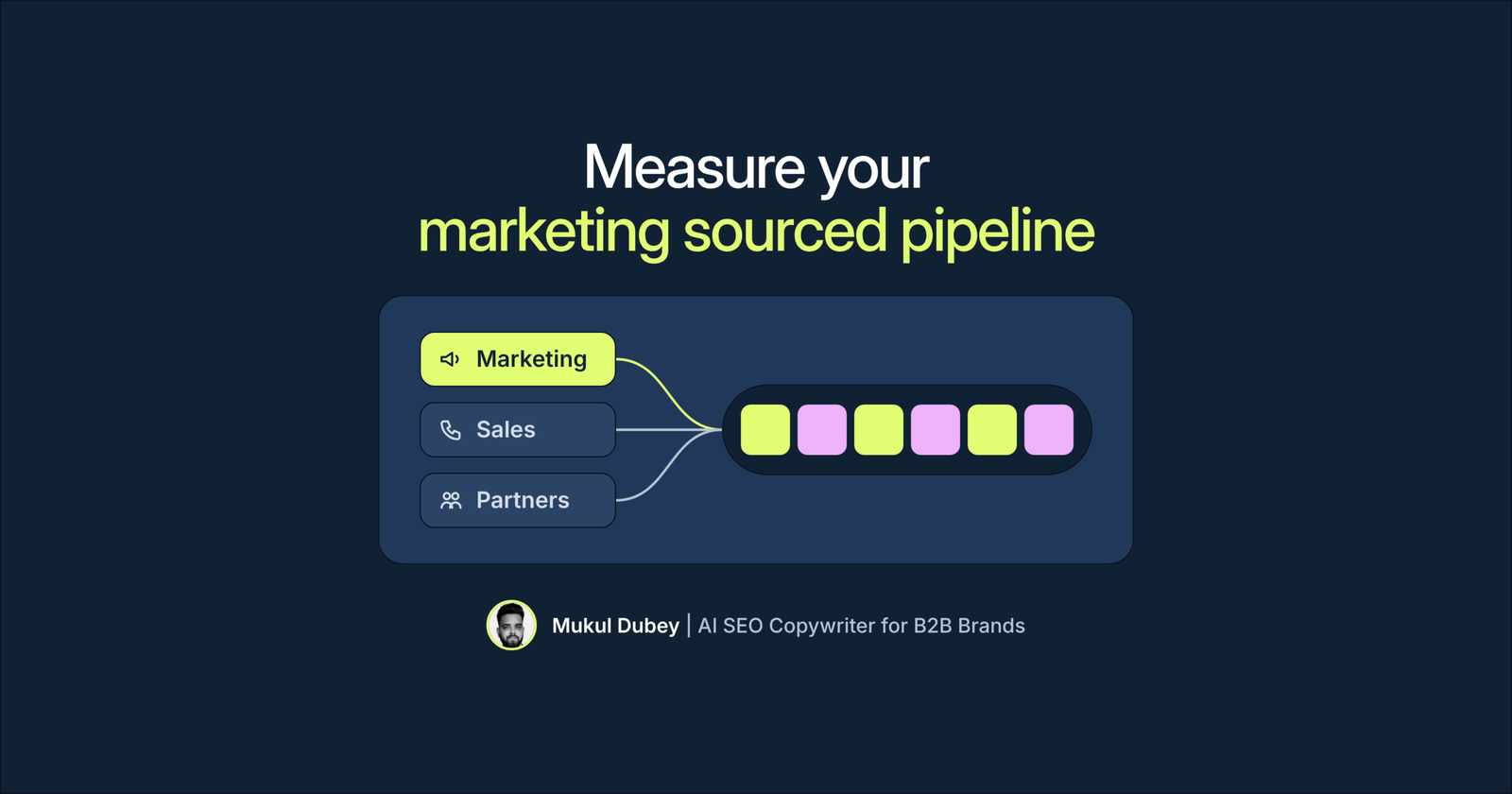
To see which of these content types actually start deals, track each page’s marketing sourced pipeline in your CRM, not just its traffic.
Optimise for AI citations (GEO)
Generative Engine Optimisation is just SEO with a new surface. To get quoted by AI Overviews and Perplexity, give engines clean, structured, factual passages they can lift with confidence.
- Add a short summary or “key takeaways” block near the top.
- Use tables and lists for comparisons and steps.
- Cite sources and include specific numbers, not vague claims.
Tip: Pages that answer the question in the first 40 words are far more likely to be pulled into an AI answer.
Key takeaways
- Write for a single, clear search intent per page.
- Structure content as questions with direct, quotable answers.
- Match each piece to a funnel stage and content type.
- Make passages clean and factual so AI engines can cite them.
Mukul Dubey
Mukul Dubey is a B2B SaaS content and SEO marketer who helps founders and lean marketing teams turn content into pipeline. He has 9 years of experience writing for SaaS, tech, and fintech brands, and he works at Simpplr. His work covers four areas: content strategy that drives pipeline, SEO copywriting that converts, AEO, GEO, and LLM visibility, and content tied to revenue. On this site, he shares practical guides for teams that want to rank on Google and get cited by AI search.
Connect on LinkedIn →Related posts
Ready to make content your best channel?
Let's build a strategy that ranks on Google and gets cited by AI.
Book a free consultation